Photo Grid Maker
A 3×3 outfit photo grid from one look







Choose horizontal and vertical counts from 1 to 9, spacing, border, and export a finished PNG/JPG grid.
Use Photo Grid Maker, Instagram Grid Splitter, Add Grid To Photo, and Pixel Grid Maker in one browser-based workspace. The SEO summary is rendered on the server; uploads, previews, and exports run in the client editor.
This is the real workbench. SEO tool pages explain each use case; every “Use tool” button now returns here with the matching tool selected.
The demo uses a promo image with campaign copy, then slices it into a 3×3 grid. Export downloads 9 separate ordered tile images (tile-01 … tile-09) so a team can publish tiles in order and recreate the full poster on a profile.

Yes. It takes one source image and splits it into multiple ordered posting tiles.
Yes. Set 3 columns and 3 rows to create a 9-tile Instagram-style grid.
Yes. Both horizontal and vertical tile counts are free controls from 1 to 9.
Export downloads each tile as its own image file, named tile-01 through tile-NN in reading order so you can post them in sequence.
Yes. A marketing team can prepare one campaign creative, export ordered tiles, and ask employees or stores to publish the assets in sequence.
A 3×3 outfit photo grid from one look
Choose horizontal and vertical counts from 1 to 9, spacing, border, and export a finished PNG/JPG grid.
One product campaign poster split into 9 real tile images
The demo uses a promo image with campaign copy, then slices it into a 3×3 grid. Export downloads 9 separate ordered tile images (tile-01 … tile-09) so a team can publish tiles in order and recreate the full poster on a profile.
A full-bleed pixel-style grid made from your uploaded photo
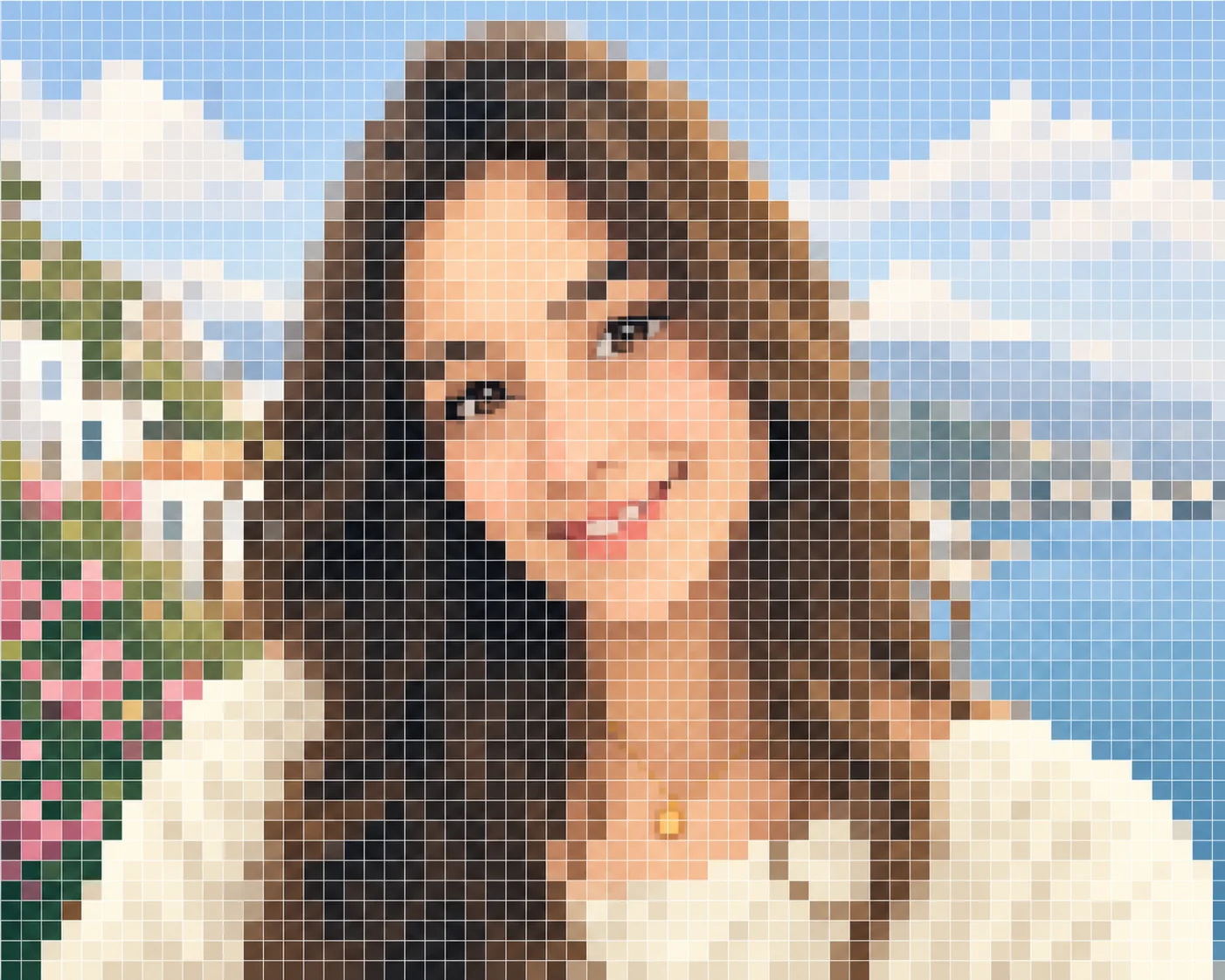
The demo uses the photo you uploaded and presents it as a full-cover pixel grid reference, suitable for visual planning, drawing reference, and craft-style previews.
A pixel-style reference with visible cells
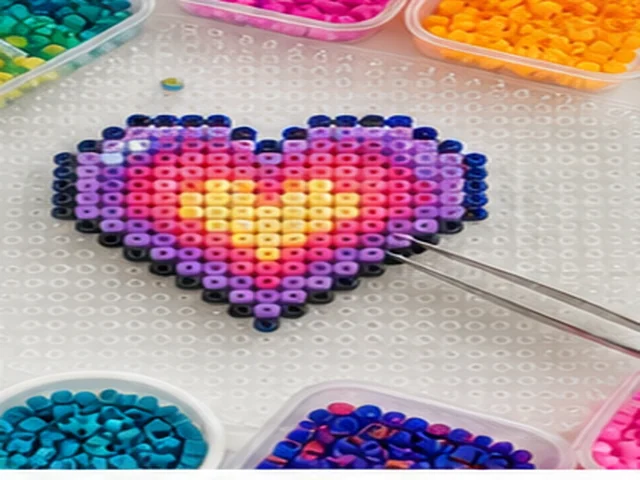
Create a browser-side pixelated reference preview by downsampling your photo, then overlaying visible cells. No AI model is used in this basic tool.